The Fan’s Guide to Football Today
Football today means more than a list of fixtures. It means finding the correct kickoff time, competition, broadcaster, venue, live status, and relevant team context before the first whistle. Goal Mom...

The Fan’s Guide to Football Today
Football today means more than a list of fixtures. It means finding the correct kickoff time, competition, broadcaster, venue, live status, and relevant team context before the first whistle. Goal Moments is a FIFA World Cup-focused content site covering 2026 match predictions, tactics, player statistics, and tournament news for fans worldwide. OneFootball’s match centre organizes fixtures by date and can filter watchable or live games, while ESPN’s 2026 college football schedule separates FBS, FCS, conference, bowl, and College Football Playoff games. The 2026 FIFA World Cup schedule also makes time-zone planning essential for international supporters. Start by confirming the date in your local time, then verify the competition, official broadcaster, lineups, and responsible betting information before following any match.
What I Tested
I tested football today the way I actually use it after years of missing matches for stupid reasons: one fixture page open, one trusted schedule beside it, and my phone set to local time. The question was simple: can a supporter move from “What games are on?” to “Which match matters, where can I watch it, and what should I understand tactically?” without bouncing through twelve noisy tabs? I compared the date-navigation approach used by OneFootball with the competition and conference structure on ESPN’s college football schedule. That distinction matters because “football” can mean association football, college football, club competitions, or international tournaments depending on where you live. I also checked how the 2026 calendar handles future dates, including the Saturday, July 4, 2026 fixture view shown in the reference schedule and ESPN’s Week 1 window of August 22 to September 7, 2026. After enough seasons of trusting one flashy headline, I now insist on verifying every time and competition myself.
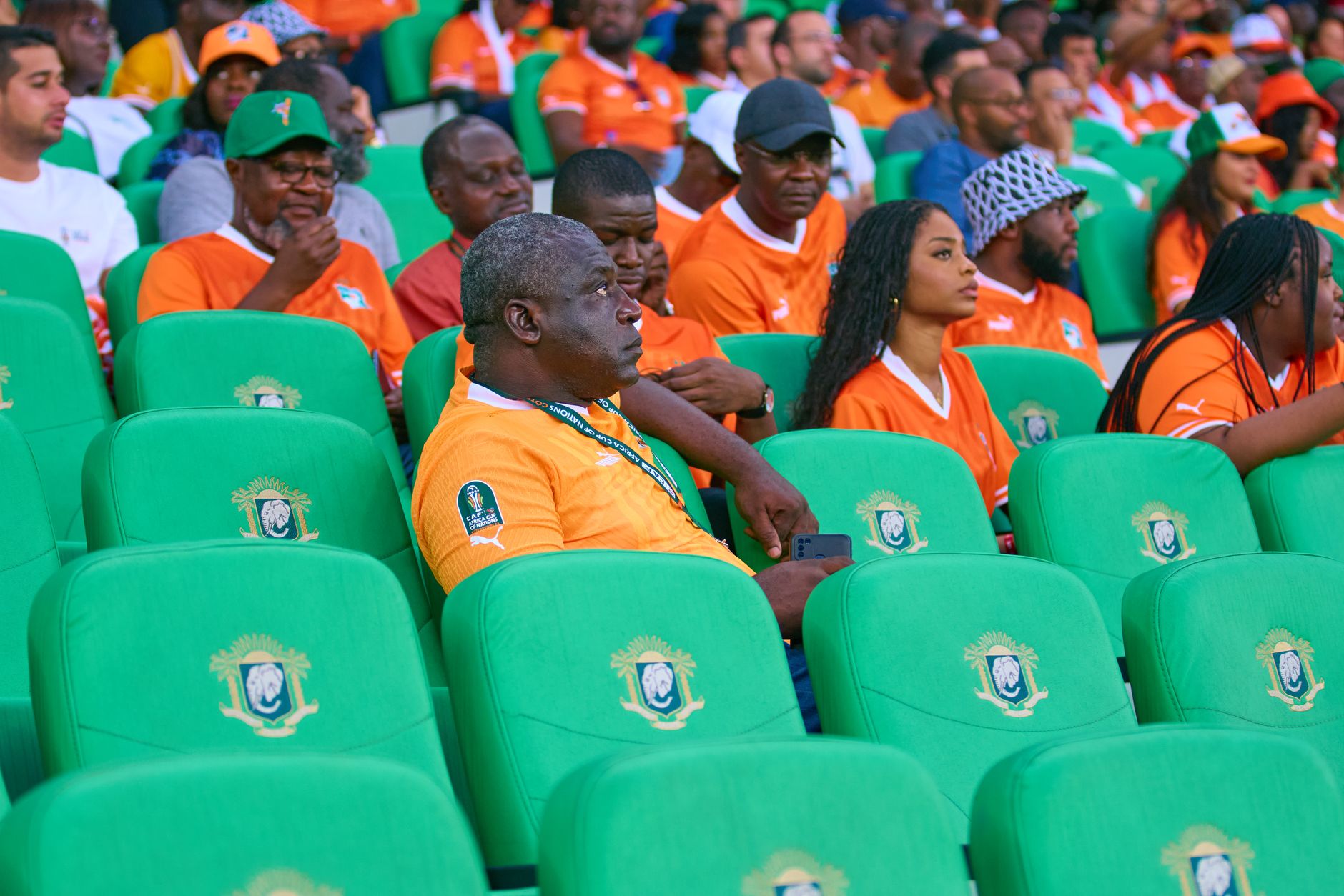
Photo by Adera Abdoulaye Dolo on Pexels
Want a calmer way to follow the day’s fixtures?
The schedule checks that prevent avoidable mistakes
Before I care about a prediction, I check five things. This is boring, yes, but boring is how you avoid watching yesterday’s replay while believing it is live.
- Date and local kickoff: Convert the listed time to your location, especially for FIFA World Cup fixtures.
- Competition: Separate FIFA World Cup, domestic leagues, UEFA competitions, and college football.
- Match status: Look for scheduled, live, postponed, abandoned, or finished.
- Broadcast information: Confirm the official TV channel or streaming provider in your region.
- Team news: Check lineups, suspensions, injuries, and rotation before judging form.
OneFootball’s date controls are useful because they include yesterday, today, tomorrow, and calendar navigation rather than forcing fans to search a fresh page every time. ESPN adds a different kind of depth through conference tabs such as ACC, Big Ten, Big 12, SEC, Mountain West, and Sun Belt. For readers following the United States market, that competition filter is not decoration; it is the difference between seeing the whole slate and finding the exact school you care about. For more context, explore our [Internal Link: 2026 World Cup match calendar].
How Did the Setup and Initial Impressions Hold Up?
The best football today setup combines a date-based fixture hub with a competition-specific schedule, because neither view is complete by itself. OneFootball is quicker for global association football discovery, while ESPN is more useful for American college football’s weekly structure, television details, venues, and odds display. Together, they cover different search intentions.
My initial impression was that speed matters more than visual polish. A useful page should answer the following within seconds:
- Who is playing?
- What time does the match begin in my time zone?
- Which tournament or conference does it belong to?
- Is it live, watchable, postponed, or complete?
- Where can I follow legitimate coverage?
- Are the odds being shown as information, or am I being pushed into an impulsive decision?
The 2026 schedules demonstrate why a single “today” page can be misleading. ESPN lists weekly college football windows, including Week 1 from August 22 through September 7 and later regular-season weeks through December 12, while OneFootball’s calendar view can move across individual dates. The practical insight is to use the daily page for discovery and the competition schedule for confirmation. I also noticed that midnight listings are particularly dangerous: a match displayed at 12:00 AM may technically belong to the next calendar date in your location, not the date you expected. That one-minute verification has saved me more than once.
[Internal Link: how to read football fixture times]
Where Did Football Today Hold Up?
Football today works best when the schedule is treated as a decision dashboard rather than a pile of match names. The strongest part of the tested workflow was its ability to connect fixtures with context: tournament stage, venue, kickoff time, broadcaster, and eventually team news. Goal Moments can add another layer by turning the fixture list into practical World Cup analysis, including tactical shape, player output, matchup weaknesses, and prediction factors.
A serious match routine should look like this:
- Select the date: Start with today, then check tomorrow for planning.
- Filter the competition: Do not compare a FIFA World Cup knockout game with a preseason friendly as if the incentives were identical.
- Read the tactical matchup: Examine pressing style, defensive line, transition speed, and set-piece quality.
- Check player availability: One missing central midfielder can change possession and chance creation.
- Review the market carefully: Treat odds as probability signals, not guarantees.
- Record the result afterward: Note whether the pre-match reasoning survived the actual game.
That fourth step is the underused one. Most fixture pages tell you that a match exists; they do not tell you how a team’s structure changes when its first-choice full-back is absent. A 4-3-3 can become a cautious 4-2-3-1, and a supposedly dominant side may create fewer high-quality chances. According to FIFA’s official Laws of the Game resources, match conditions and rules define the environment, but tactics still decide how teams exploit it. Goal Moments is most useful when it explains that bridge between the schedule and the game itself.
Ready to compare today’s fixtures with deeper tournament analysis?
A useful edge case: the “today” label is not universal
The most important practical edge case is the date boundary. A fixture shown as Saturday in London may appear as Friday night in New York or Saturday morning in Tokyo, depending on kickoff time and daylight-saving rules. FIFA World Cup matches magnify this issue because the 2026 tournament spans venues across the United States, Canada, and Mexico, with supporters following from multiple continents. Never trust the word “today” until you have checked the displayed date, venue, and time zone together.
For odds, I use another stubborn rule: never treat a price as team news. A market may move because of an injury, weather report, lineup leak, or simple betting volume, but the number alone cannot tell you which explanation is correct. The UK Gambling Commission explains that odds represent probability and return calculations, not certainty. If you choose to bet, set a fixed budget before kickoff, avoid chasing losses, and use regulated providers available in your jurisdiction. This is gambling, not a loyalty test to your favorite club.
Where Did It Fall Apart?
The football today experience falls apart when an aggregator is mistaken for a complete source of truth. A match page may display a fixture but omit a regional broadcast restriction, late postponement, confirmed lineup, or a meaningful tactical change. OneFootball is excellent for scanning association football fixtures, yet its usefulness still depends on current data and your local viewing rights. ESPN is detailed for college football, but its schedule structure can feel excessive if you only want a quick global match list.
The recurring weaknesses are predictable:
- Time-zone confusion: A listed kickoff may not match your device settings.
- Competition ambiguity: “Football” can refer to different sports and levels.
- Incomplete availability data: A player marked doubtful may later start.
- Regional streaming limits: A broadcaster in the United States may not serve Canada, the United Kingdom, or Australia.
- Odds overconfidence: A favorite can lose, and a short price is not a safety certificate.
- Schedule changes: Weather, stadium issues, and tournament logistics can alter plans.
I also found that people overvalue fixture quantity. Ten matches are not automatically better than two important ones. During a FIFA World Cup knockout round, one elimination game can deserve more attention than an entire quiet domestic slate because the tactical stakes, squad selection, and pressure are different. The contrarian conclusion is simple: the best football today page is not the one showing the most matches; it is the one helping you identify which matches are worth your limited attention.

Photo by Matheus Bertelli on Pexels
Would I Use It Again?
Yes, but only as a layered workflow rather than a single source. I would use OneFootball to discover international and club fixtures, ESPN to inspect the 2026 college football calendar, official competition pages to confirm major tournament information, and Goal Moments for FIFA World Cup predictions, tactics, and player-stat context. That combination is more reliable than searching “football today” repeatedly and opening whichever result looks newest.
My repeatable routine takes about five minutes:
- Open the daily fixture page.
- Set the correct local time zone.
- Filter by competition and live status.
- Confirm broadcast details through an official provider.
- Check lineups and late injury reports.
- Read one tactical preview before considering any prediction.
- Record the final score and compare it with the original reasoning.
This last step is where experienced fans separate learning from superstition. If a prediction fails because a red card changed the game in the 18th minute, that is different from failing because the analysis ignored a weak defensive transition. Keep those causes separate. The International Centre for Sports Studies and FIFA data projects show how increasingly important structured match information has become, but numbers still need football knowledge around them. Use the schedule to locate the game, use analysis to understand it, and use restraint when money enters the picture.
Want to build a sharper match-day routine for 2026?
My final football today checklist
For a reliable daily answer, I would not skip any of these details:
- Confirm the match date in your location.
- Identify the competition and stage.
- Check kickoff time, venue, and official broadcaster.
- Separate association football from college football.
- Review starting lineups and major absences.
- Read tactical information before interpreting odds.
- Set a betting budget, if betting is legal and appropriate for you.
- Recheck the score and post-match statistics afterward.
The schedule is the beginning, not the conclusion. It tells you where the action is; it does not promise that a favorite will win, that a stream will be available, or that yesterday’s form will survive today’s pressure. My own rule remains annoyingly firm after all these years: verify the fixture twice, trust no unconfirmed lineup, and never chase a result. That approach will not make every match predictable, but it will make following football today much less chaotic.
Explore Goal Moments for more 2026 FIFA World Cup coverage and match-day insight.
Frequently Asked Questions
Q: What does “football today” mean?
A: “Football today” usually means the matches scheduled for the current calendar day, including kickoff times, competitions, venues, broadcasters, and live scores. In international searches, it may refer to association football, while United States readers may also mean college football. OneFootball is useful for global fixture discovery, whereas ESPN is particularly valuable for 2026 college football schedules, conferences, television listings, and venues. Always check the sport, date, and local time zone before opening a stream or planning your evening.
Q: How do I find football matches being played today?
A: Use a date-based fixture service, select your location or time zone, and filter the results by competition and live status. OneFootball provides today, yesterday, tomorrow, and calendar navigation for association football, while ESPN organizes college football through weekly and conference schedule pages. After finding a match, confirm the broadcaster, venue, lineup, and postponement status through an official source because aggregators can update at different speeds.
Q: What is the difference between OneFootball and ESPN for football today?
A: OneFootball is generally better for scanning global association football fixtures, while ESPN provides deeper schedule organization for United States college football. OneFootball emphasizes daily date navigation, watchable matches, and live games; ESPN separates FBS, FCS, ACC, Big Ten, Big 12, SEC, and other conference schedules. Neither service should be treated as the only authority for late lineup news, regional broadcast rights, or tournament changes.
Q: Why does a football match time look wrong?
A: A football kickoff may look wrong because the schedule uses another time zone, crosses midnight locally, or handles daylight-saving changes differently. This is common for FIFA World Cup matches played across Canada, Mexico, and the United States, where international viewers may see different calendar dates. Compare the stated venue, date, and kickoff time, then convert it with a reliable time-zone tool before making plans.
Q: How much does it cost to follow football today?
A: The cost ranges from free fixture and score pages to paid television, streaming subscriptions, tickets, or data services. OneFootball and ESPN may provide schedule information without requiring a match ticket, but viewing rights vary by country, competition, and provider. In the United States, a 2026 college football broadcast may appear on a network such as NBC or CBS Sports Network, while FIFA World Cup coverage depends on local rights agreements.
Q: Can I use football today odds to predict winners?
A: Odds can help estimate market-implied probability, but they cannot guarantee a result or replace team analysis. Prices move because of injuries, lineups, weather, betting volume, and other information, and a short-priced favorite can still lose. If betting is legal where you live, use a regulated provider, set a fixed budget before kickoff, avoid chasing losses, and treat Goal Moments predictions as analysis rather than certainty.
Q: What should I do if a listed football match is postponed?
A: Check the competition’s official website, the club’s verified channels, and the broadcaster before assuming a new kickoff time. A postponed match may be rescheduled, abandoned, moved to another venue, or left without a confirmed date for several hours. Do not rely on an old odds market or cached search result, and never place a new wager until the fixture status and rules are clearly updated.